
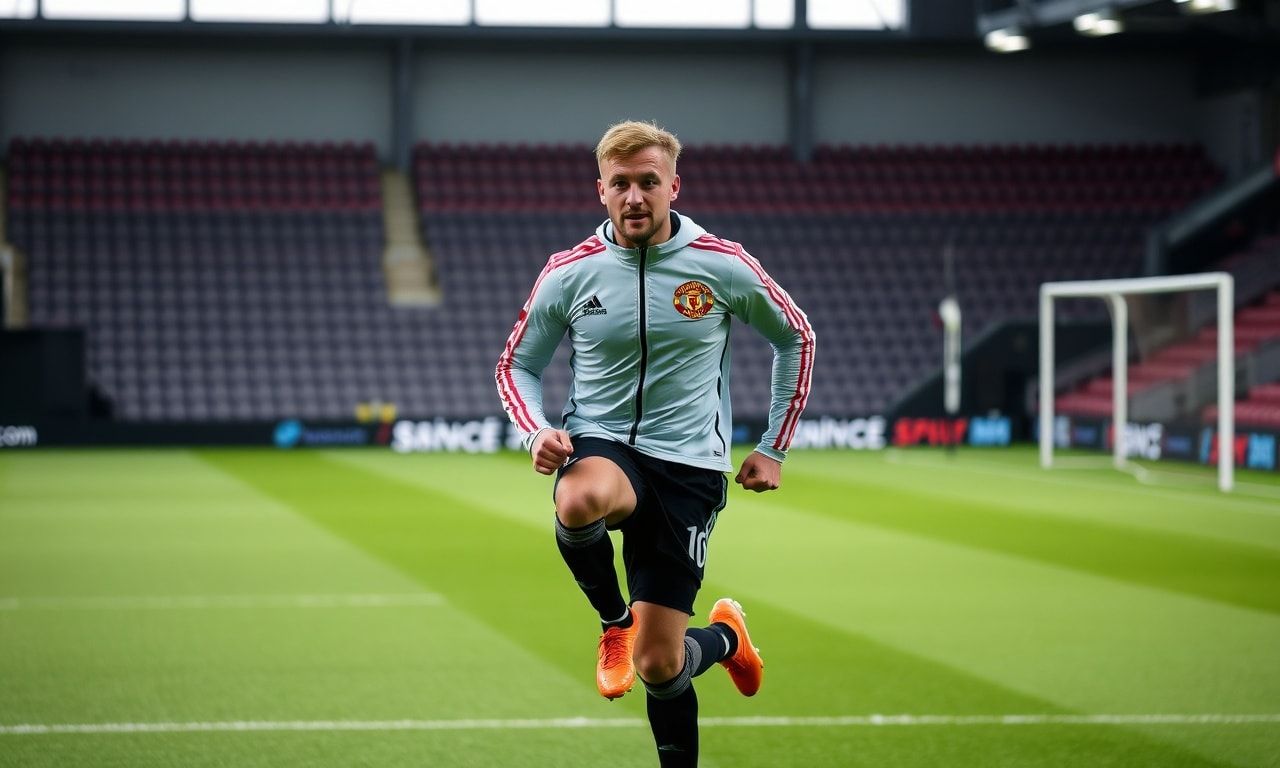
The Shift in Focus Towards Player Welfare
In the fast-paced world of professional football, the physical toll on players is immense. Manchester United, one of the Premier League’s most storied clubs, has recently overhauled its fitness and conditioning programs, placing a renewed emphasis on player welfare and injury prevention. This shift comes at a time when sports science and medicine are evolving rapidly, offering new insights into how athletes can maintain peak performance while minimizing the risk of injury.
Innovative Approaches to Training
The club has invested heavily in state-of-the-art facilities and cutting-edge technology to monitor and enhance player fitness. From advanced biomechanical analysis to personalized training regimens, Manchester United is leaving no stone unturned in its quest to keep its players in top shape. The new fitness regimen includes a blend of traditional training methods and innovative approaches, such as cryotherapy and hyperbaric oxygen therapy, which have shown promising results in speeding up recovery times and reducing injury risks.
One of the key aspects of the new program is the integration of a comprehensive sports injury prevention guide into the training curriculum. This guide, developed in collaboration with leading sports scientists, provides a detailed framework for preventing common injuries that plague footballers. It covers everything from proper warm-up techniques to nutrition and hydration strategies, ensuring that players are well-equipped to handle the rigors of modern football.
The Role of Technology in Injury Prevention
Technology plays a pivotal role in Manchester United’s revamped fitness regimen. The club has adopted wearable technology that tracks players’ vital statistics in real-time, allowing coaches and medical staff to make data-driven decisions. These devices monitor heart rate, hydration levels, and muscle activity, providing valuable insights into each player’s physical condition. By analyzing this data, the team can identify potential issues before they become serious problems, thereby reducing the likelihood of injuries.
Additionally, the use of GPS tracking systems has revolutionized the way training sessions are conducted. These systems provide detailed information on players’ movements, including distance covered, sprint speed, and work rate. This data is crucial for tailoring individual training programs that maximize performance while minimizing the risk of overuse injuries. The integration of these technologies has not only improved player fitness but has also enhanced the overall effectiveness of the training regimen.
The Impact on Player Performance
The positive impact of the new fitness regimen is already evident in the players’ performances on the pitch. With fewer injuries and faster recovery times, the team has been able to maintain a higher level of consistency throughout the season. The players themselves have reported feeling stronger, more agile, and better prepared for the demands of top-level football. This has translated into improved performances, with the team showcasing greater resilience and endurance in crucial matches.
Case Studies and Success Stories
Several players have benefited significantly from the new fitness program. For instance, a key midfielder who had previously struggled with recurring muscle injuries has seen a marked improvement in his fitness levels. Through personalized training and advanced recovery techniques, he has been able to stay on the pitch for longer periods, contributing significantly to the team’s success. Similarly, a young defender who was previously sidelined with a series of minor injuries has regained his form and become a vital part of the defensive lineup.
These success stories highlight the effectiveness of the new fitness regimen and underscore the importance of a holistic approach to player welfare. By addressing both the physical and mental aspects of performance, Manchester United has created an environment where players can thrive, both on and off the pitch.
The Future of Sports Injury Prevention
As the field of sports science continues to evolve, Manchester United is committed to staying at the forefront of innovation. The club is constantly exploring new technologies and methodologies to enhance player fitness and prevent injuries. Collaborations with leading research institutions and sports medicine experts ensure that the club remains ahead of the curve in this rapidly changing landscape.
The focus on injury prevention is not just about keeping players fit; it’s about creating a sustainable model for long-term success. By investing in the well-being of its players, Manchester United is setting a new standard for the industry, one that prioritizes player welfare without compromising on performance. This holistic approach is not only beneficial for the players but also for the club’s long-term goals and aspirations.
In conclusion, Manchester United’s revamped fitness regimen represents a significant step forward in sports injury prevention. By leveraging advanced technology, innovative training methods, and a comprehensive sports injury prevention guide, the club has created a robust framework for maintaining player fitness and minimizing injury risks. The positive impact on player performance and overall team success is a testament to the effectiveness of this approach, setting a new benchmark for the industry.
In light of recent economic shifts, practical financial strategies for individuals offers timely advice to help navigate personal finance challenges.
As digital transformation accelerates globally, our latest feature examines Türkiye’s rapid advancements in this critical area.
For a deeper understanding of this topic, The Ultimate Guide to Choosing the offers valuable insights worth exploring.