The Rise of Urban Farming in Manchester
Manchester, a city known for its rich industrial history, is now making waves in the realm of sustainability. Urban farming has emerged as a significant trend, transforming the city’s landscape and fostering a sense of community among its residents. This green revolution is not only about growing food in urban spaces but also about creating a more resilient and sustainable city.
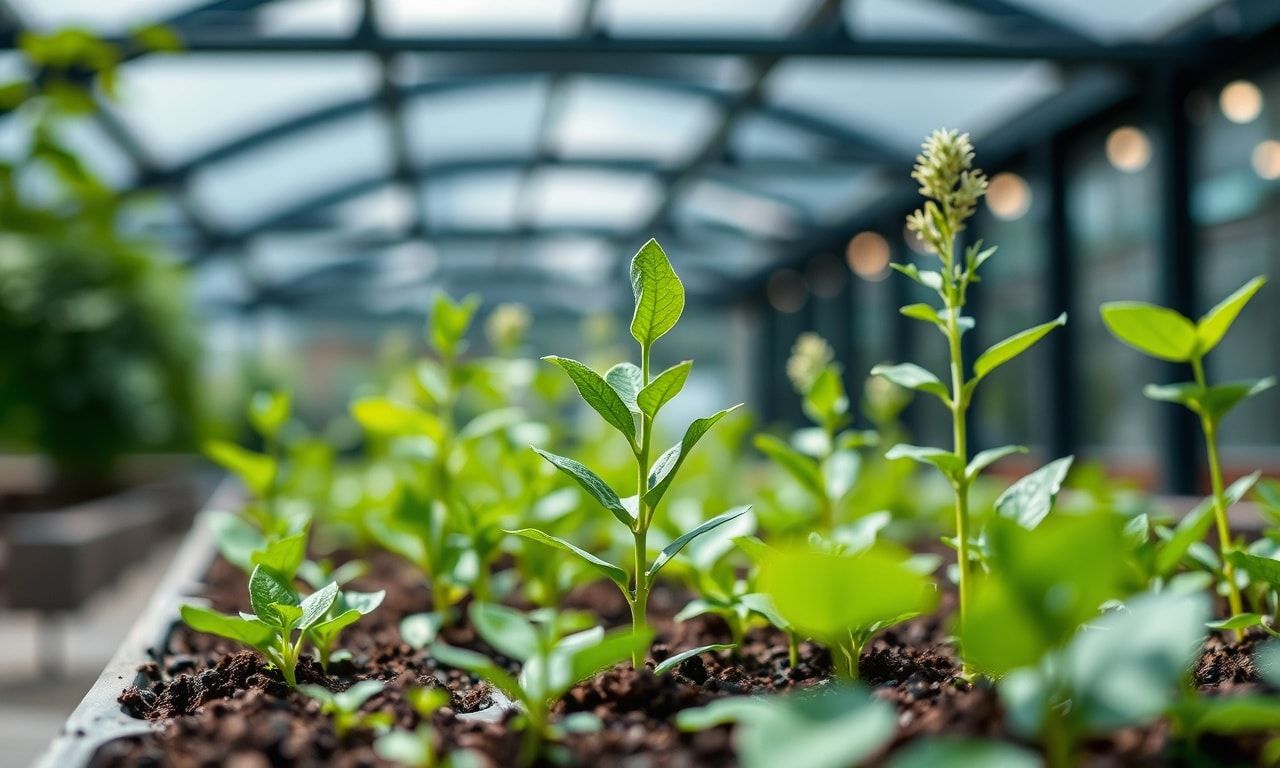
The concept of urban farming encompasses a variety of practices, from rooftop gardens to community allotments. These initiatives are helping to address food security issues, reduce carbon footprints, and promote biodiversity. Manchester’s urban farmers are leveraging innovative techniques to grow fresh produce in the heart of the city, making it easier for residents to access locally sourced, organic food.
The Role of Community Gardens
Community gardens play a pivotal role in Manchester’s green revolution. These shared spaces provide a platform for residents to come together, learn about sustainable practices, and enjoy the benefits of homegrown produce. Community gardens are not just about growing food; they are about building connections and fostering a sense of belonging. They serve as educational hubs where people of all ages can learn about the importance of sustainable living and the impact of their daily routines to support local farmers.
One of the most notable community gardens in Manchester is the Eva Green project, which has been instrumental in promoting urban agriculture and sustainable living. This initiative has inspired many residents to adopt greener lifestyles and support local farmers through their daily routines. The success of such projects highlights the potential of community-driven initiatives in creating a more sustainable future.
The Impact of Sustainable Living on Manchester’s Economy
The shift towards sustainable living is having a profound impact on Manchester’s economy. Local businesses are increasingly adopting eco-friendly practices, from reducing waste to sourcing materials locally. This not only helps the environment but also stimulates the local economy by creating jobs and supporting small businesses. The demand for locally sourced, organic produce is on the rise, and this trend is benefiting local farmers and producers.
Manchester’s green revolution is also attracting tourists who are interested in experiencing the city’s sustainable initiatives firsthand. Eco-tourism is becoming a significant contributor to the local economy, with visitors flocking to see urban farms, community gardens, and other sustainable projects. This influx of tourists is not only boosting the local economy but also raising awareness about the importance of sustainable living.
The Role of Technology in Sustainable Living
Technology is playing a crucial role in Manchester’s green revolution. Innovative solutions are being developed to address the challenges of urban farming and sustainable living. From vertical farming systems to smart irrigation technologies, these advancements are making it easier for residents to adopt greener lifestyles. Technology is also helping to monitor and reduce energy consumption, making Manchester a smarter and more sustainable city.
One of the key technologies driving Manchester’s green revolution is the use of renewable energy sources. Solar panels, wind turbines, and other renewable energy technologies are being integrated into urban farming projects to reduce reliance on fossil fuels. These initiatives are not only helping to lower carbon emissions but also providing a model for other cities to follow.
The Future of Sustainable Living in Manchester
The future of sustainable living in Manchester looks bright. The city is committed to becoming a leader in sustainability, with numerous initiatives and projects in the pipeline. From expanding urban farming initiatives to promoting renewable energy, Manchester is paving the way for a greener future. The city’s green revolution is not just about addressing environmental issues; it is about creating a more resilient, inclusive, and sustainable community.
As Manchester continues to embrace sustainable living, it is important for residents to stay informed and engaged. By supporting local initiatives, adopting greener lifestyles, and advocating for sustainable policies, residents can play a crucial role in shaping the city’s future. The green revolution is a collective effort, and everyone has a part to play in creating a more sustainable Manchester.
Conclusion
Manchester’s green revolution is a testament to the power of community-driven initiatives and sustainable living. The city’s urban farming projects, community gardens, and innovative technologies are transforming the landscape and fostering a sense of connection among residents. As Manchester continues to lead the way in sustainability, it serves as a model for other cities looking to create a greener, more resilient future.
As Azerbaijan continues to evolve, a new article explores the steps being taken towards a greener future, Azerbaijan’s progress in sustainability offers an in-depth look at the country’s environmental initiatives.
As we navigate the complexities of modern life, understanding the impact of our surroundings on health has become increasingly important, as highlighted in home environments and well-being.
In the realm of sustainable urban development, Edinburgh’s waste reduction efforts stand out as a noteworthy case study in this week’s environmental news.