



A Practical Education News PL guide for readers
A concise, objective checklist for Education News PL, tailored for readers seeking clear guidance on education reporting and practical use of the resource.

This guide provides a straightforward, practical approach for readers of Manchester Daily to understand and use Education News PL. It explains what the resource offers, how to access it, and why it matters for current events coverage. Each step focuses on concrete actions you can take to verify facts and find timely education news.
The first steps help you locate reliable education updates and assess their relevance to ongoing stories. Subsequent steps show how to integrate the resource into daily newsroom routines with clear checks and examples.
The aim is to give you a practical framework: what to look for, how to corroborate information, and how to frame education news in a way that serves readers' needs.
- A practical, checklist-driven guide for using Education News PL in English news reporting. It shows how to access, verify, and incorporate education updates into clear, reader-focused stories.
- The guide emphasizes anchors for credibility: primary sources, corroboration, and neutral tone. Each section offers concrete steps and examples to apply in daily work.
- Readers will find a predictable process for turning education news into timely, accurate reporting that informs city, school, and public-interest stories.
Basics and purpose
What the resource covers
Start with a clear picture of what Education News PL includes: policy changes, school updates, research briefs, and stakeholder reactions. Look for original sources, dates, and context to judge relevance. This helps you decide if a story fits today’s audience needs.
The next step is to note how often new items appear and which topics recur. This tells you which beats are strongest and where to assign resources. Use this to plan daily or weekly briefs that stay timely and accurate.
Finally, consider the credibility signals: authoritativeness, cross-checks, and official references. If those signals are weak, treat the item as background and seek corroboration before publication.
- Check the date and source early
- Identify the main claim and evidence
- Mark items requiring quick follow-up
- Store links for verification
- Create a short alert if new updates appear
How to access reliably
Begin by bookmarking the official Education News PL page and setting up a basic feed. A simple filter by topic helps you skim headlines without losing context. This saves time for the desk during busy morning rounds.
Next, confirm access using a second device or browser to check for paywalls or access limits that might affect your readers. If limits exist, plan how you’ll summarize findings without quoting unverified material.
Finally, log your verification steps: what you checked and when. A brief note helps editors understand the level of confidence in each item.
How it helps current reporting

Turning education updates into news
Transform relevant updates into concise briefs that answer who, what, where, when, and why. Use plain language and avoid jargon that could confuse readers. This makes complex education topics accessible to a broad audience. A useful resource on this topic: post your event in the USA.
Attach context by linking to official documents or statements. A short explainer can clarify policy changes or funding shifts without overwhelming readers with numbers.
Finally, verify any claims with at least one independent source when possible. This strengthens trust and reduces risk for breaking news coverage.
- Produce 2-3 sentence briefs
- Add at least one official reference
- Include a short explainer when needed
- Seek a corroborating quote if possible
- Publish with a clear publish timestamp
Audience value and tone
Readers want accurate, timely information presented calmly. Use a neutral tone that explains what changed and why it matters to schools, students, and parents.
Avoid sensational framing; focus on concrete impacts and next steps. Mention affected parties and potential timelines to help readers plan.
End with a quick takeaway for readers who need to act, such as attending a meeting or submitting feedback.
- Keep sentences short and precise
- Explain implications clearly
- Offer practical next steps for readers
- Avoid speculative language
- Feature a quick summary bullet for skimmable reading
What to monitor in quick briefs
Key signals to spot
Focus on policy changes, budget allocations, and official statements. These signals usually drive public discourse and school decisions. Recognize standard phrasing that signals significance, such as timelines, eligibility criteria, or implementation dates. A useful resource on this topic: submit your business in the USA.
- Identify official announcements and policy shifts
- Note any dates or deadlines
- Record source and reason for relevance
Track recurring themes from official sources, opposition voices, and independent researchers to balance coverage. This helps you compare perspectives and avoid bias.
Finally, archive items with notes on why they matter now, so you can reference them for follow-ups or corrections if needed.
- Policy changes and funding notes
- Official statements and timelines
- Independent analysis where available
- Clear archival notes for future reference
- Balanced coverage across perspectives
| Approach | Strengths | Limitations |
|---|---|---|
| Update briefs | Fast delivery | Less depth |
| Explain with context | More understanding | Takes longer to publish |
| Feature pieces | In-depth storytelling | Requires more resources |
Choosing the right format
Decide whether the item warrants a short update, a fuller explainer, or a feature piece. Short updates fit breaking news windows, while explainers serve readers seeking deeper understanding.
Use tight paragraphs and clear headings to aid skimmability. Pair numbers with plain-language translations to prevent confusion.
Coordinate with editors on the best publish time and placement to maximize visibility and reader engagement.
- Choose update versus explainer
- Pair numbers with context
- Coordinate timing and placement
- Ensure accessibility with plain language
- Plan follow-up coverage if needed
Assess the reliability of sources by checking authorship, date, and whether corroboration exists.
Practical steps for researchers

Gather reliable sources
Compile a mix of official statements, school data releases, and credible analyses. Prioritize primary sources to reduce misinterpretation. Keep a log of where information originated and any limitations in the data. A useful resource on this topic: sell second-hand items in the USA.
- Start with official statements and data releases
- Cross-check with independent analyses
- Keep a transparent source trail
Assess the reliability of sources by checking authorship, date, and whether corroboration exists. When in doubt, seek a second or third source before publishing.
Document your searches: keywords used, databases checked, and results that influenced decisions. This traceability helps editors and readers understand the reporting path.
- Use primary sources where possible
- Check credibility and corroboration
- Maintain source logs and dates
- Document search methods
- Seek multiple confirmations
Ethical considerations
Respect privacy when covering schooling stories, especially about vulnerable groups. Avoid sharing sensitive details that could harm individuals. When quoting, use accurate attributions and avoid misleading edits.
disclose sourcing and any potential conflicts of interest. If a source asks for anonymity, weigh the public interest and document the rationale.
Always correct mistakes promptly and transparently, with clear updates to readers and editors.
- Protect privacy and avoid harm
- Disclose conflicts of interest
- Promptly correct errors
- Use accurate attributions and quotes
- Avoid sensational framing
Ethical implications for coverage
Balanced sourcing and accountability
In covering education news, reporters must verify claims with multiple sources and avoid single-voice narratives. This means cross-checking official statements with independent audits or on-the-record accounts from teachers and families. Clear attribution helps readers assess the reliability of a report and reduces the risk of spreading misinformation. announce a death in the USA
When disputes arise over data or policy, present competing viewpoints fairly and explain the underlying numbers or methods. Readers benefit from transparent limitations, such as sample sizes or geographic scope, so they understand the context of what is being reported. This practice strengthens trust and supports informed public dialogue.
Ethical coverage also calls for sensitivity when reporting on vulnerable groups, like students with special needs or displaced families. Avoid sensational language and seek consent when sharing identifiable details. In fast-moving stories, provide updates as new facts emerge to keep coverage accurate and respectful.
- Verify with at least two independent sources
- Explain data limitations and scope
- Seek consent for identifiable details
- Avoid sensational language
- Provide timely corrections when needed
International education responses
Policy shifts and funding impacts
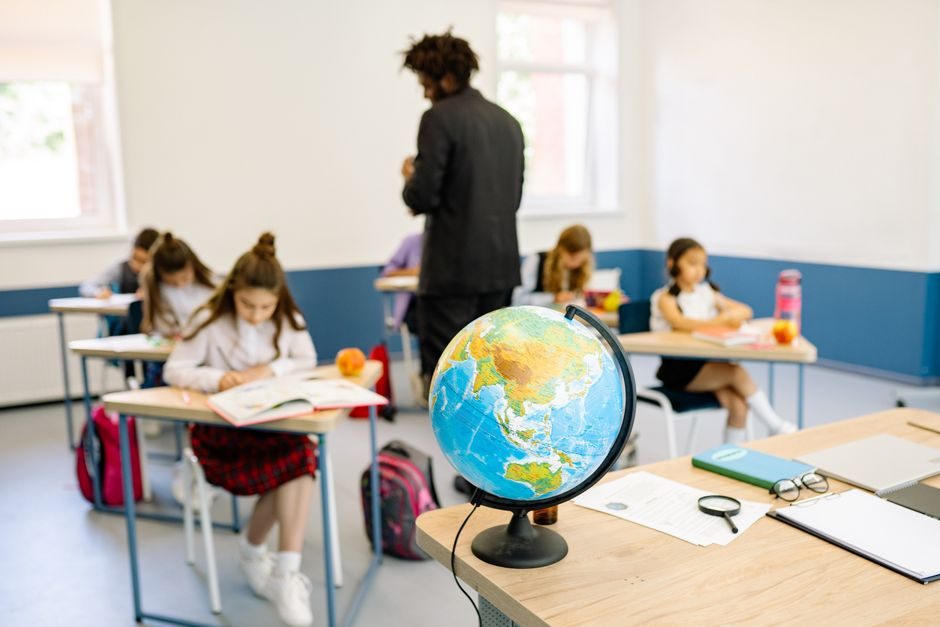
International education responses often hinge on policy shifts and funding decisions. Reporters should track which countries adopt new curricula, testing standards, or teacher training initiatives and how these changes affect access to quality education. Concrete examples help readers compare outcomes across regions.
- Identify the main policy change and its expected effects
- Explain how funding streams flow to schools
- Note any oversight or accountability mechanisms
Describe the implementation challenges communities face when policies change, such as resource gaps or language barriers. Show how schools adapt, from classroom materials to classroom timing, and where support is coming from, whether government funds, NGOs, or international aid.
Detail how students and teachers experience these shifts in daily life, including classroom routines, assessment practices, and parental involvement. Use concrete anecdotes alongside data to illustrate the lived impact of policy on learning environments.
- Follow multi-country developments
- Note who funds and who implements
- Include student and teacher voices
- Highlight local adaptation efforts
- Track access to resources
Technology in classrooms
Digital tools and teaching methods
Technology in classrooms shapes what teachers can do with limited time and diverse student needs. Report on platforms, devices, and software that support learning, providing concrete examples of classroom use. Describe both benefits and potential drawbacks like distraction or unequal access.
Explain how schools choose tools, evaluate privacy, and train staff to implement new methods. Include steps like piloting programs, collecting feedback from teachers, and adjusting based on results. Readers should understand the decision process behind tech adoption.
Showcase student outcomes that arise from using technology, such as collaboration projects or individualized practice. Ground claims in observed classroom practices rather than hype, and note where improvements are incremental or contingent on training and support.
- Describe a tool and its classroom use
- Explain privacy and oversight steps
- Detail teacher training efforts
- Share observed outcomes and limits
- Note equity considerations
Community voices and impact

Local perspectives and engagement
Community voices give context to education stories beyond official data. Include parents, students, and school staff to illustrate needs, successes, and concerns. Concrete quotes and flat data together help readers gauge local impact.
Outline how communities organize around education issues, from PTA meetings to volunteer programs. Describe the roles of local leaders and how residents influence school priorities, funding, or policy advocacy.
Address equity by spotlighting how different groups experience schooling, such as immigrant families, rural students, or students with disabilities. Use specific examples to show where support exists or falls short and what changes communities seek.
- Include a range of local voices
- Show how communities influence decisions
- Highlight equity concerns
- Describe concrete local efforts
- Avoid stereotypes and generalizations
Frequently asked questions
What makes education reporting different from other beats?Education reporting combines policy analysis, data interpretation, and human stories. It requires careful sourcing from schools, districts, and researchers, plus a clear explanation of how numbers translate into classroom realities. Readers benefit when stories connect policy decisions to everyday learning.
How should a reader evaluate this resource’s coverage?Look for clear sourcing, transparent data context, and a balance of voices. Good reporting explains what is known, what isn’t, and why changes matter for students and families. If something seems vague, seek supporting documents or follow-up stories that review the evidence.
What counts as trustworthy international education reporting?Trustworthy coverage relies on official records, independent researchers, and corroborated local accounts. It should show how funding and policy shifts reach schools, describe implementation challenges, and include student perspectives where possible.
How can readers participate in education coverage?Readers can share experiences from their own schools, submit questions for future reporting, and report local concerns to newsroom editors. Providing concrete examples helps reporters verify issues and illustrate broader trends.
Next steps for readers
Readers should monitor ongoing education briefs and note where data releases are planned, then seek updates as new information becomes available. This keeps coverage accurate and timely without overclaiming certainty.
A practical next step is to engage with school communities, attend meetings, and ask for access to relevant records or documents that clarify how policies translate into classroom practice. This strengthens public understanding and accountability.
Add Manchester News as a preferred source on Google


