
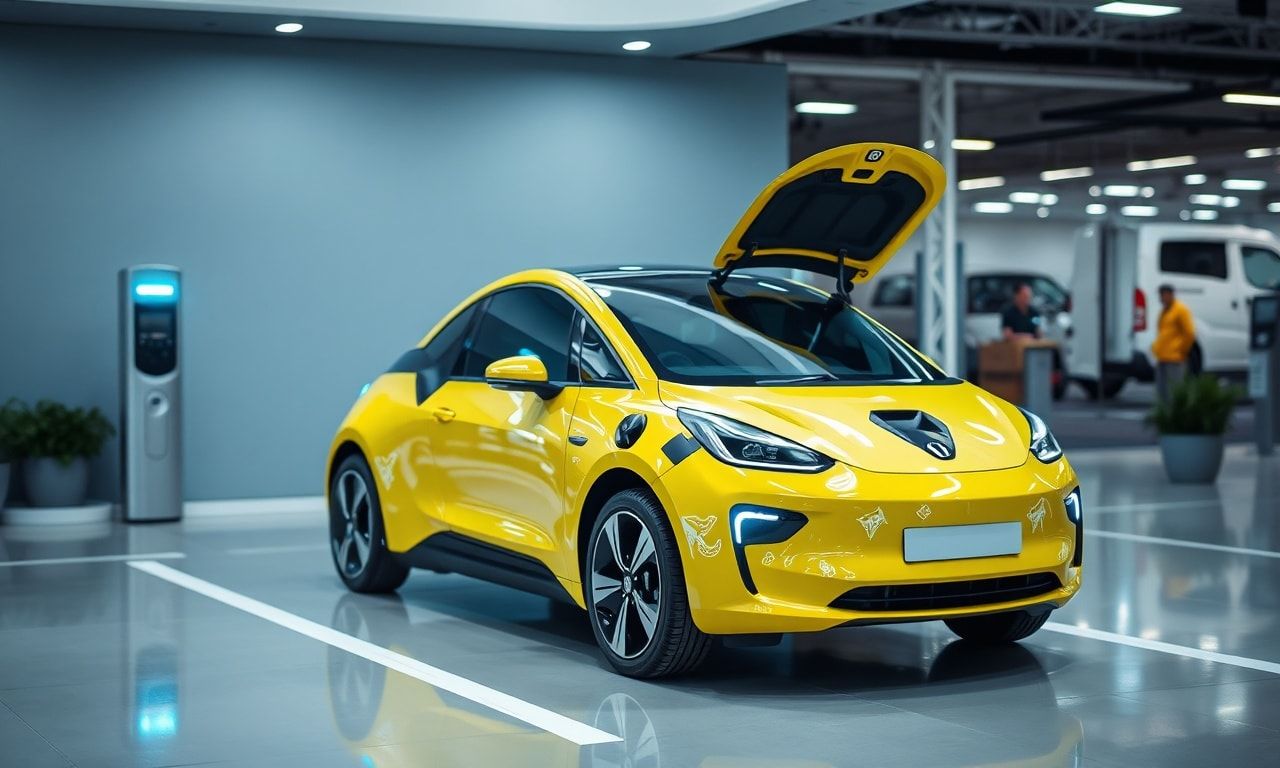
The Rise of Electric Vehicles
The automotive industry is undergoing a significant transformation, with electric vehicles (EVs) at the forefront of this revolution. As governments worldwide implement stricter emissions regulations and consumers become more environmentally conscious, the demand for EVs continues to surge. This shift is not only driven by environmental concerns but also by advancements in technology that make electric cars more efficient, affordable, and user-friendly.
Market Trends and Growth
Recent market trends indicate a robust growth trajectory for electric vehicles. According to industry reports, global EV sales have been increasing at an unprecedented rate, with projections suggesting that by 2030, EVs could account for up to 30% of new car sales. This growth is fueled by substantial investments from major automakers, who are rapidly expanding their EV lineups to meet consumer demand. Additionally, the development of better battery technologies and the establishment of more charging infrastructure are further accelerating the adoption of electric vehicles.
User Experiences and Feedback
As more consumers transition to electric vehicles, their experiences and feedback provide valuable insights into the strengths and areas for improvement in current EV models. Many users highlight the cost savings on fuel and maintenance as significant advantages. However, challenges such as range anxiety and the availability of charging stations remain concerns for some. For a comprehensive overview of user experiences, you can refer to elektrikli araba kullanıcı yorumları 2026, which offers detailed reviews and insights from EV owners.
Technological Advancements
The technological advancements in the EV sector are nothing short of remarkable. Innovations in battery technology, such as solid-state batteries, promise to significantly increase the range and reduce the charging time of electric vehicles. Furthermore, the integration of artificial intelligence and autonomous driving features is enhancing the overall driving experience. These advancements are not only making EVs more appealing to consumers but also paving the way for a more sustainable and efficient transportation system.
Environmental Impact
The environmental benefits of electric vehicles are well-documented. By reducing greenhouse gas emissions and dependence on fossil fuels, EVs play a crucial role in combating climate change. However, the environmental impact of EV production, particularly the mining of raw materials for batteries, remains a concern. Efforts are being made to develop more sustainable manufacturing processes and recycling programs to mitigate these issues. As the technology continues to evolve, the environmental footprint of electric vehicles is expected to decrease further.
Challenges and Future Prospects
Despite the numerous advantages, the widespread adoption of electric vehicles faces several challenges. These include the need for more robust charging infrastructure, higher upfront costs, and the need for improved battery technology. However, with ongoing investments and technological advancements, these challenges are gradually being addressed. The future of electric vehicles looks promising, with the potential to revolutionize the automotive industry and contribute to a more sustainable future.
As Pakistan accelerates its environmental initiatives, exploring the country’s EV transition offers a comprehensive look at the nation’s progress and challenges.
As global conversations around climate change intensify, many are seeking practical ways to reduce their environmental impact; tips for eco-friendly living offers actionable advice for those looking to make a difference at home.