
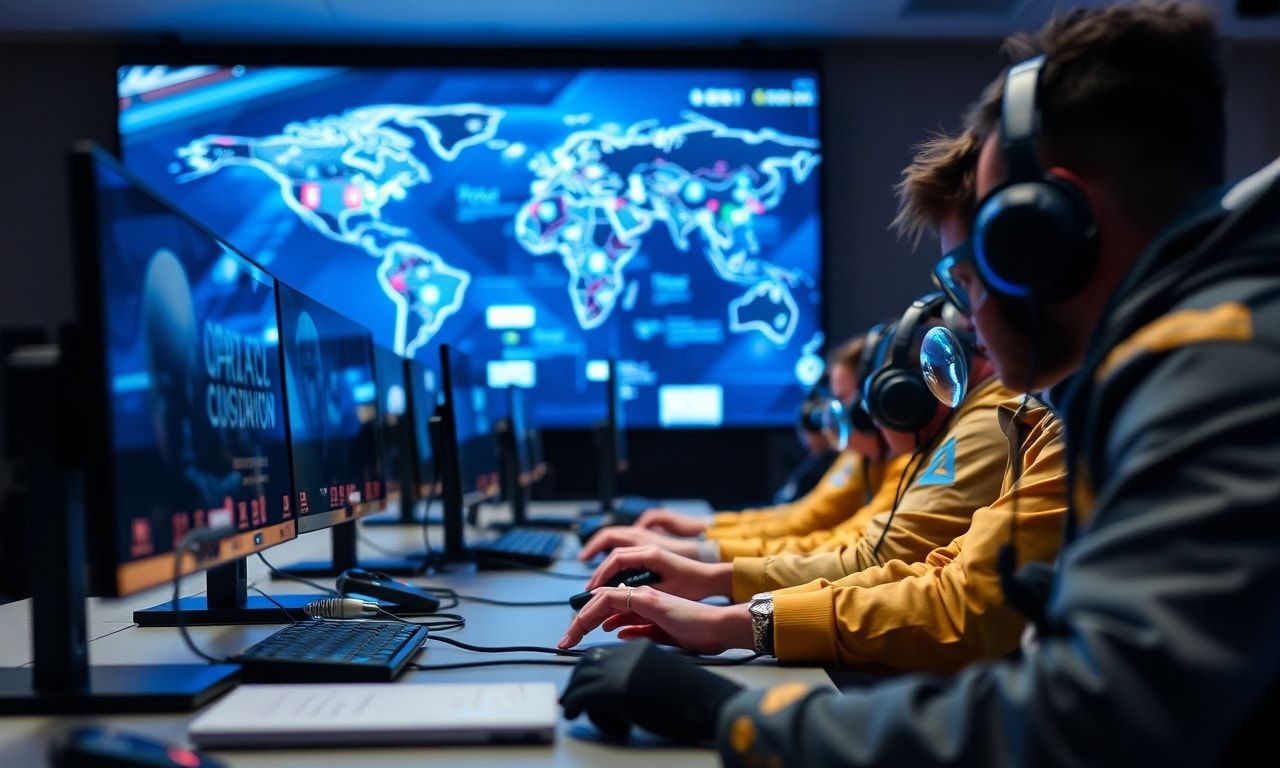
The Rise of Esports as a Global Phenomenon
The world of esports has witnessed an unprecedented surge in popularity and influence over the past decade. What began as a niche hobby has evolved into a multi-billion-dollar industry, captivating millions of enthusiasts worldwide. This growth has not only transformed the entertainment landscape but has also caught the attention of policymakers and diplomats, who are increasingly recognizing the potential of esports to bridge cultural divides and foster international cooperation.
Esports as a Tool for Cultural Exchange
One of the most significant impacts of esports is its ability to serve as a platform for cultural exchange. Unlike traditional sports, esports transcends physical boundaries, allowing players from diverse backgrounds to compete and collaborate in a virtual space. This digital arena provides a unique opportunity for individuals to engage with different cultures, languages, and perspectives, fostering mutual understanding and respect. The global nature of esports tournaments, such as The International for Dota 2 and the League of Legends World Championship, brings together teams from various countries, creating a melting pot of talent and ideas.
Moreover, esports has the potential to break down barriers in regions where political tensions may hinder traditional forms of diplomacy. For instance, the recent rise of esports in the Middle East has sparked collaborations between countries that have historically had strained relations. These interactions, though initially centered around gaming, can lay the groundwork for broader diplomatic engagements and people-to-people connections.
The Role of International Relations News Analysis
For those interested in the broader implications of esports on international relations, resources like international relations news analysis provide valuable insights into how this digital phenomenon is shaping global politics. Analysts and journalists in this field examine the ways in which esports tournaments and virtual collaborations can influence diplomatic efforts, economic partnerships, and cultural exchanges. By understanding these dynamics, policymakers and stakeholders can leverage esports as a tool for building stronger international ties.
Economic and Political Implications
The economic impact of esports extends beyond the gaming industry, influencing various sectors such as tourism, technology, and media. Hosting international esports events can boost local economies by attracting tourists, creating jobs, and stimulating investment in infrastructure. Cities like Seoul, Berlin, and Los Angeles have already recognized the economic potential of esports, investing heavily in venues and supporting local teams and tournaments.
Politically, esports can serve as a soft power tool, allowing countries to showcase their technological advancements, cultural heritage, and innovative spirit. For example, China’s dominance in esports is not only a testament to its gaming talent but also a reflection of its investment in digital infrastructure and technological innovation. By promoting esports, countries can enhance their global image and attract international attention and investment.
Challenges and Considerations
Despite the numerous benefits, the intersection of esports and international diplomacy is not without its challenges. Issues such as cybersecurity, data privacy, and the regulation of virtual competitions need to be addressed to ensure a safe and fair environment for all participants. Additionally, the digital divide between developed and developing countries can create disparities in access to esports opportunities, potentially exacerbating existing inequalities.
To mitigate these challenges, international organizations and governments must collaborate to establish standardized regulations and support initiatives that promote inclusivity and accessibility in esports. By addressing these issues proactively, the global community can harness the full potential of esports as a catalyst for international cooperation and development.
The Future of Esports in Diplomacy
The future of esports in international diplomacy looks promising, with increasing recognition of its potential to foster global connections and drive economic growth. As technology continues to evolve, virtual and augmented reality platforms may further enhance the immersive experience of esports, creating even more opportunities for cultural exchange and collaboration. Governments, international organizations, and private sector stakeholders must work together to capitalize on these advancements and integrate esports into broader diplomatic strategies.
In conclusion, esports has emerged as a powerful tool for cultural exchange, economic development, and international diplomacy. By leveraging the global appeal of esports, countries can build stronger relationships, promote mutual understanding, and address shared challenges. As the world becomes increasingly interconnected, the role of esports in shaping international relations will only continue to grow, offering new avenues for cooperation and collaboration in the digital age.
As technology continues to reshape our world, understanding the latest developments and their impacts is crucial; explore the face of digital transformation in our featured article.
In light of recent environmental concerns, raising eco-conscious children becomes crucial to ensure a sustainable future.
To stay informed about the latest advancements in the region, explore Lisburn’s recent developments and their impact on the community.