
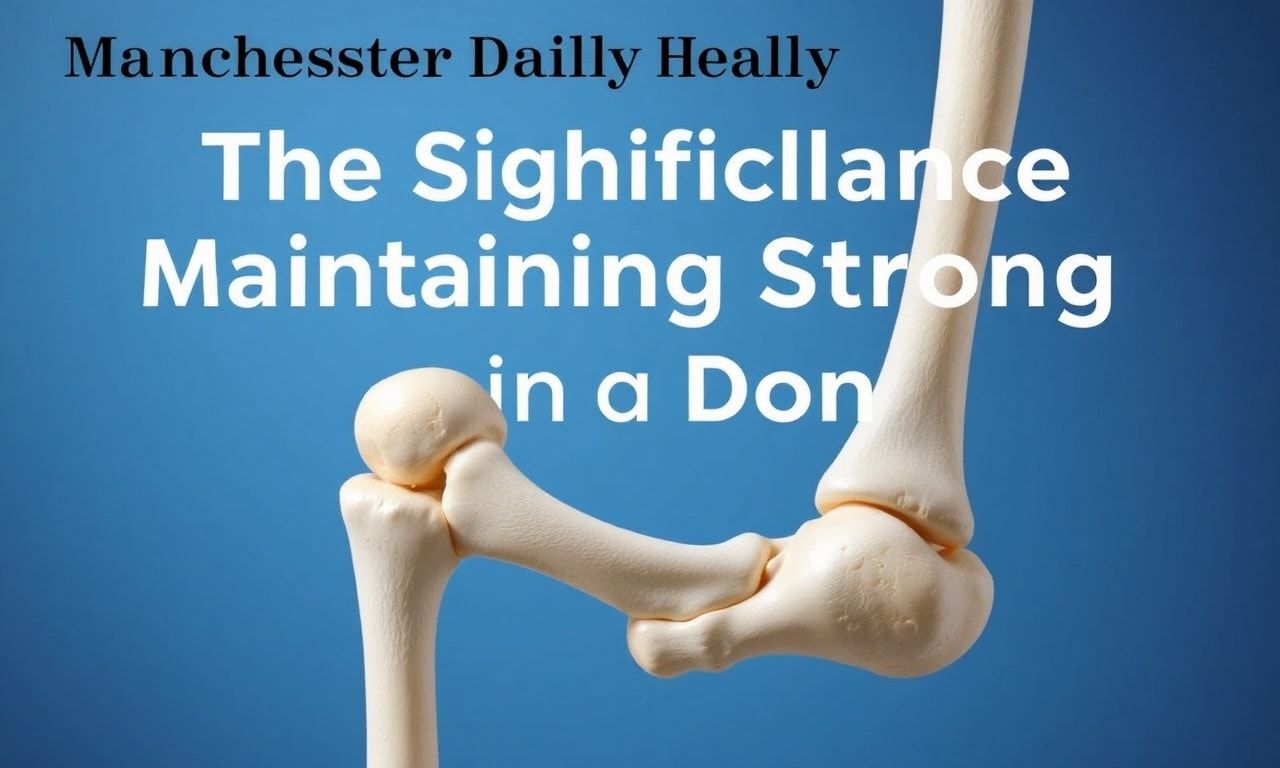
The Growing Concern for Bone Health
The aging population in the UK is growing, and with it, the concern for bone health is becoming increasingly prevalent. Osteoporosis, a condition characterized by weak and brittle bones, affects over 3 million people in the UK, with women being more at risk than men. The National Osteoporosis Society reports that one in two women and one in five men over the age of 50 will suffer a fracture due to osteoporosis.
As we age, our bones naturally lose density and strength, making us more susceptible to fractures and breaks. This is why it’s crucial to start taking care of our bones early on and maintain healthy habits throughout our lives. In this article, we’ll explore the importance of bone health, the factors that affect it, and some practical tips to keep your bones strong and healthy.
Understanding Bone Health
Our bones are living tissues that are constantly being broken down and rebuilt. This process is called remodeling and is essential for maintaining bone strength and density. However, as we age, the rate of bone breakdown can outpace the rate of bone formation, leading to a loss of bone density and an increased risk of fractures.
Several factors can affect bone health, including:
- Aging
- Hormonal changes, such as menopause in women
- Certain medications, like corticosteroids
- Lifestyle factors, such as smoking and excessive alcohol consumption
- Medical conditions, like rheumatoid arthritis and hyperthyroidism
The Role of Nutrition in Bone Health
Nutrition plays a vital role in maintaining bone health. A balanced diet rich in calcium, vitamin D, and other essential nutrients can help support bone density and strength. Calcium is a crucial mineral for bone health, and it’s found in dairy products, leafy green vegetables, and fortified foods. Vitamin D is also essential, as it helps the body absorb calcium. It can be obtained from sunlight, fatty fish, and fortified foods.
In addition to calcium and vitamin D, other nutrients like magnesium, phosphorus, and vitamin K are also important for bone health. Incorporating a variety of nutrient-rich foods into your diet can help ensure that you’re getting all the necessary vitamins and minerals for strong and healthy bones. For top tips for maintaining healthy bones, consider consulting with a healthcare professional or a registered dietitian.
The Impact of Physical Activity on Bone Health
Regular physical activity is another crucial factor in maintaining bone health. Weight-bearing exercises, like walking, running, and resistance training, can help stimulate bone formation and improve bone density. These types of exercises work against gravity, forcing the bones to adapt and become stronger.
On the other hand, a sedentary lifestyle can contribute to bone loss and an increased risk of fractures. This is especially true for older adults, who may be more likely to spend extended periods sitting or lying down. Incorporating regular physical activity into your routine can help combat bone loss and improve overall health and well-being.
Preventing and Managing Osteoporosis
Osteoporosis is a significant public health concern, particularly among older adults. However, there are steps you can take to prevent and manage this condition. In addition to maintaining a balanced diet and engaging in regular physical activity, other strategies include:
- Getting regular bone density screenings, especially if you’re at increased risk for osteoporosis
- Quitting smoking and limiting alcohol consumption
- Taking medications as prescribed by your doctor, such as bisphosphonates or hormone therapy
- Falling prevention, such as removing tripping hazards from your home and using assistive devices if needed
If you’ve been diagnosed with osteoporosis, it’s essential to work closely with your healthcare team to develop a personalized treatment plan that addresses your unique needs and concerns.
The Future of Bone Health Research
As our understanding of bone health continues to evolve, so too does the research into new treatments and prevention strategies. Scientists are exploring the potential of stem cell therapy, gene editing, and other innovative approaches to combat bone loss and improve bone healing. Additionally, researchers are investigating the role of the gut microbiome in bone health and whether probiotics or other interventions could help support bone density.
While more research is needed to fully understand the complexities of bone health, the current evidence is clear: taking proactive steps to care for your bones can have a significant impact on your overall health and well-being. By incorporating a balanced diet, regular physical activity, and other healthy habits into your lifestyle, you can help ensure that your bones remain strong and resilient well into your golden years.
As the real estate industry continues to evolve, a new trend is emerging that combines health and property development; discover the latest insights in our recent article.
Amidst ongoing debates on educational reform, a new perspective on fostering holistic learning environments is gaining traction, as detailed in health’s role in education.
In the midst of ongoing public health discussions, a new report highlights Bristol’s innovative health strategies that could reshape national policies.